ING: US Inflation - FJElite
Geopolitics and oil prices are still a source of volatility for rates. But following the ratchet higher in rates on the back of the US jobs report, long-end rates have become stickier at their elevated levels even as oil briefly dipped towards US$90/bbl on Tuesday.
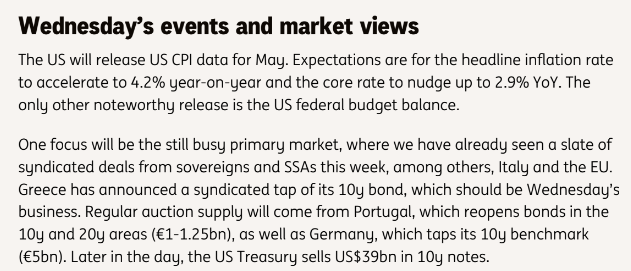
It might be just a growing numbness to the news cycle of supposed deals and renewed conflicts. Shortly after oil hit new lows, headlines of both Iran and US attacks pushed prices back up. But keep in mind that US rates - especially real rates - have been doing their own thing for a while given the resilient backdrop in both the macro data and risk assets overall. A hawkish repricing of the Fed has been the result, and if we look at the upcoming CPI that is set to show a headline inflation print above 4%, it strengthens the case for the hawks.
There might still be arguments to look through this inflation print, which could well mark a
peak. But for now, the market has to work with the data at hand, which still points in a bearish direction. And as for longer EUR rates, they cannot withdraw themselves from spillover pressures forever.
With central banks turning more hawkish and CPI data unlikely to appease inflation concerns in the near term, a more bullish tilt to rates might have to come from concerns about growth. Higher energy costs and a tightening of financial conditions should start to weigh on the economic outlook over the medium term. But this risk seems to be largely ignored by markets. Whilst in our baseline we think growth should hold up, the balance of risk is clearly tilted to the downside. Therefore, we think markets will face resistance to price ever more hawkish monetary policy paths. At some point, growth risks should take over from inflation risks.