MUFG: Commodities - FJElite
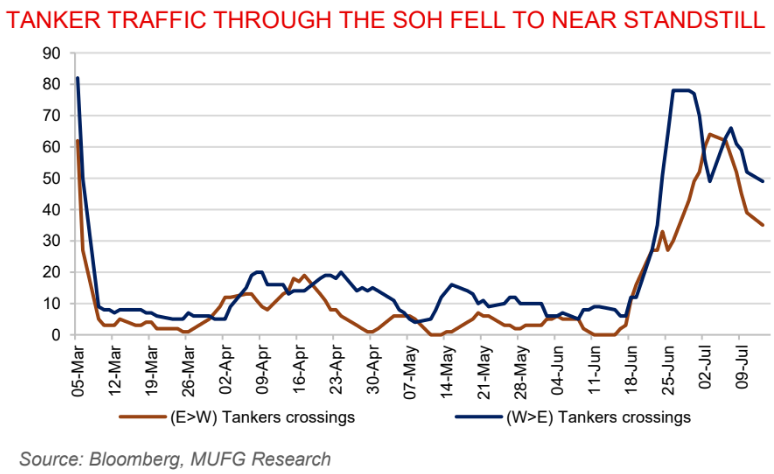
Oil extends rally as US-lran conflict threatens Hormuz shipping. Oil prices climbed further, with Brent rising above USD79/b and WTI approaching USD74/b, after the US launched another round of strikes against Iranian targets, intensifying concerns over Middle East oil supplies. Iran declared the Strait of Hormuz closed “until further notice”, although US and regional maritime authorities said the waterway remains partially operational. Tanker traffic through the strait fell to near standstill, while Kuwait reported damage to an offshore drilling platform, marking one of the first direct attacks on regional energy infrastructure in weeks. The renewed escalation has revered hopes for a lasting peace agreement and reintroduced a significant geopolitical risk premium into oil prices. Unless shipping through Hormuz normalises quickly, the market is likely to remain highly sensitive to any further attacks on energy infrastructure, with a broader disruption to Gulf exports posing the main upside risk to crude prices.
Gold falls as Middle East tensions reinforce higher for longer rate expectations. Gold prices declined, with gold falling to around USD4,050/oz, as renewed US-lran military strikes drove oil prices higher and reinforced expectations that the Fed may keep interest rates elevated for longer to contain inflation. The latest escalation, including uncertainty over shipping through the Strait of Hormuz, pushed US Treasury yields and the dollar higher, adding further pressure on non-yielding precious metals, while silver fell more than 3%. Investors are now focused on upcoming US inflation data and Fed Chair Kevin Warsh's congressional testimony for further signals on the interest rate outlook. With geopolitical tensions now feeding into inflation expectations, gold’s near-term performance is likely to depend more on the Fed’s policy response than on safe-haven demand alone.