ING: Burnham May Look Cautious at First, but Markets Shouldn’t Rule Out Bigger Moves - FJElite
Andy Burnham’s arrival as prime minister has so far triggered surprisingly little market reaction, even though just a couple of months ago the prospect of him taking office was enough to unsettle UK assets. For now, the working assumption is that he will avoid major disruption this year, largely because his bigger ambitions are constrained by tight fiscal rules and a promise not to raise the main taxes. That points, at least initially, to a relatively modest Autumn Budget built around cheaper, more politically visible measures such as lower bus fares, tax relief for hospitality, and shifting more policy costs off electricity bills and onto general taxation, which could also help lower headline inflation as the energy price cap falls.
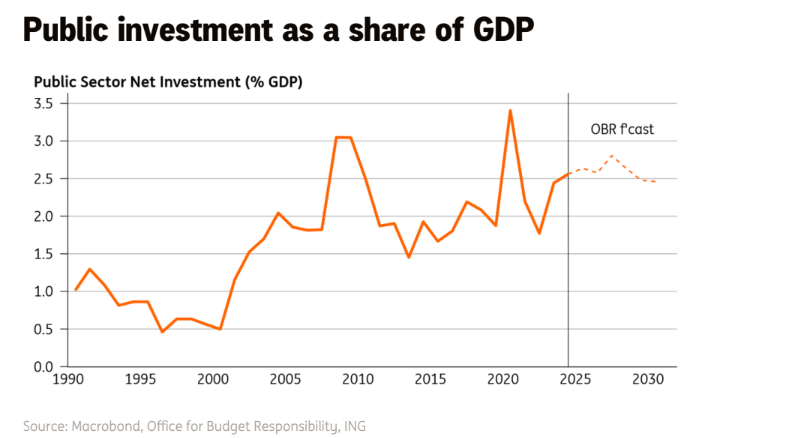
But markets should not assume that means there is no room for surprise. The numbers involved in reversing some inherited spending cuts or plugging existing funding gaps are not especially large, and changes already made to the fiscal framework are set to create roughly £16bn of extra borrowing room this autumn. That gives more flexibility than many assume. It also means that a modest fiscal easing could still be paired with a handful of targeted tax measures if needed. So while the consensus is for an understated Budget, the risk is that Burnham uses the space he has more actively than markets currently expect, whether through higher capital spending, tweaks to the fiscal rules, or even a more political reset such as a snap general election.