RBC: Midterm Years Have Historically Brought More Volatility - FJElite
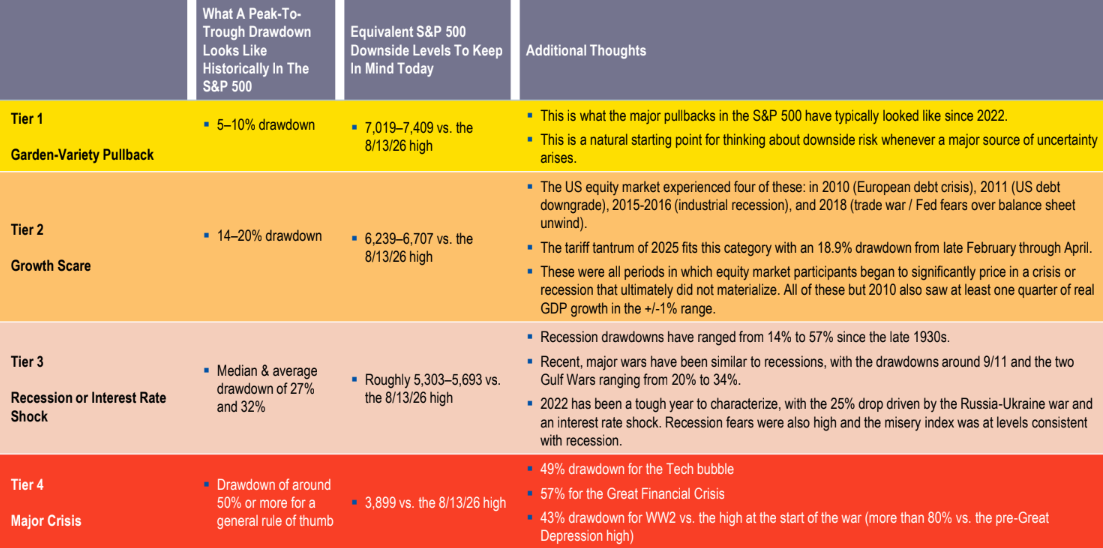
Looking back at the last two US midterm election years, the second half of both 2018 and 2022 was choppy, with the S&P 500 peaking in early autumn, troughing in October, rebounding into November and weakening again in December. In both cases, Consumer Staples and Health Care outperformed during drawdowns, while Technology and Consumer Discretionary lagged. During rebounds, Financials, Industrials and Materials tended to outperform. The exercise is framed as a tail-risk playbook rather than a forecast for similar turbulence this year.
Elsewhere, high price momentum has started to outperform again while EPS quality has weakened. Corporate commentary remains mixed, with geopolitical risk, inflation, supply-chain issues and weak housing turnover offset by strength in AI, energy, manufacturing and reshoring. Consumers are still showing caution, value-seeking behaviour and weakness in big-ticket spending, while tariff refunds are largely viewed as one-off benefits.
Valuations are not seen as especially stretched. Forward P/Es for the S&P 500, Nasdaq 100 and the largest stocks sit around the middle of their post-COVID ranges, while Russell 2000 valuations are near average. IPO activity is also being watched as a measure of animal spirits, with elevated deal counts historically coinciding with stronger equity performance and problems tending to emerge when activity dries up.